Mold Restoration in Bergen County, NJ
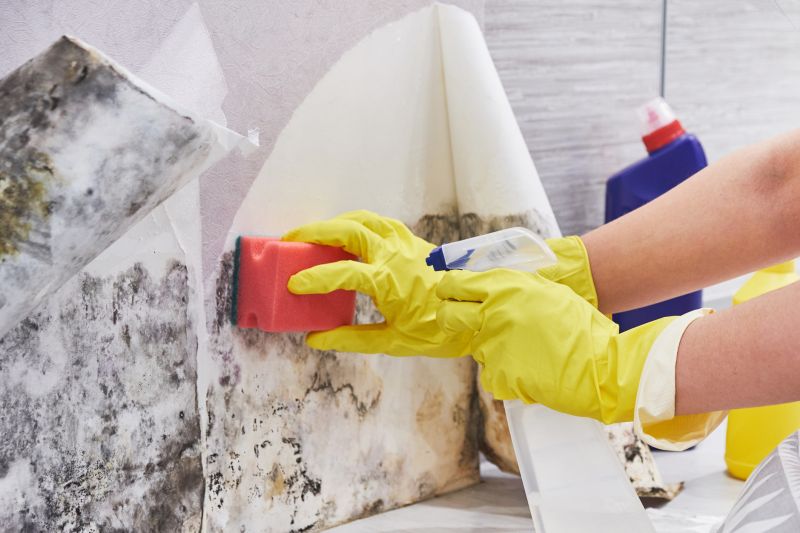
Mold restoration services focus on removing mold growth from residential properties and restoring affected areas to a clean and safe condition. These projects typically involve identifying the source of moisture that contributed to mold development, removing visible mold from surfaces such as walls, ceilings, and flooring, and treating the underlying materials to prevent future growth. Property owners often seek mold restoration after noticing musty odors, visible mold patches, or experiencing health issues related to mold exposure, especially in areas prone to humidity or water intrusion.
Before requesting mold restoration, homeowners should understand the extent of mold growth, the types of materials impacted, and potential underlying moisture problems. It is important to assess whether the mold is confined to specific surfaces or has penetrated deeper into building materials. Proper identification and remediation are essential to ensure that mold does not return and that indoor air quality is improved. Property owners are encouraged to inquire about the scope of work, the methods used for mold removal, and any necessary repairs to prevent future mold issues.
Many property owners in Bergen County, NJ look into Mold Restoration for repairs, replacements, upgrades, and appearance-related improvements.
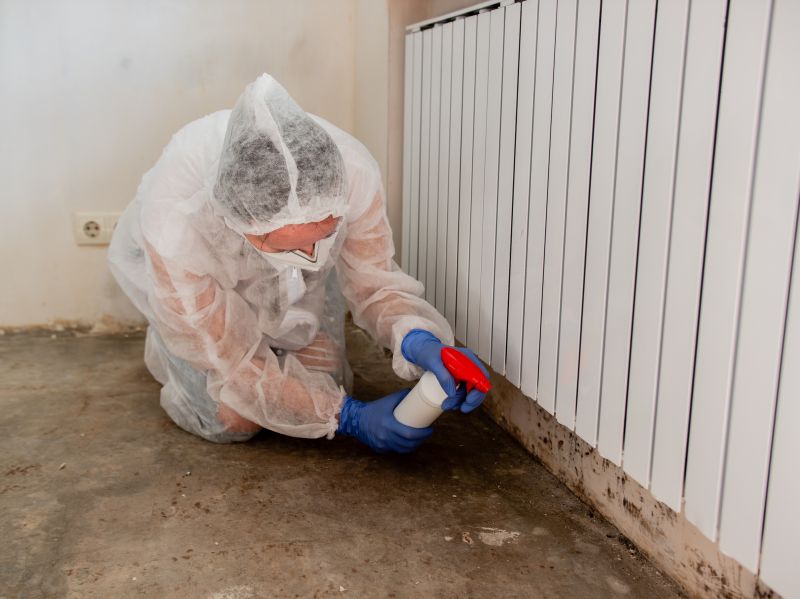
Mold Damage Prevention
Identifying and addressing mold growth early helps protect your property's health and integrity.
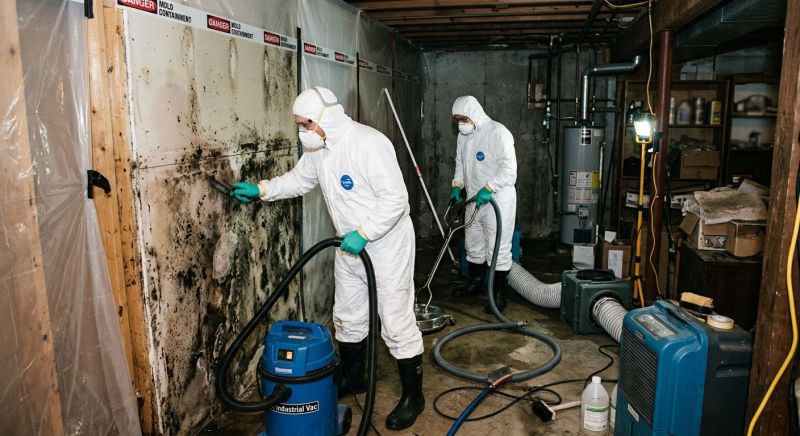
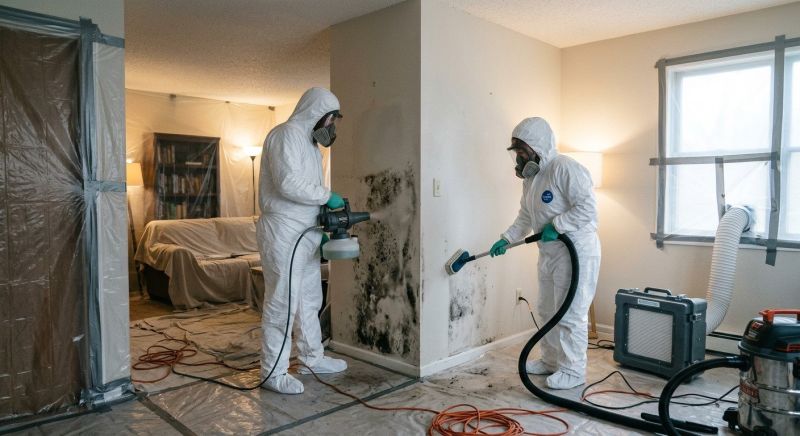
Comprehensive Mold Removal
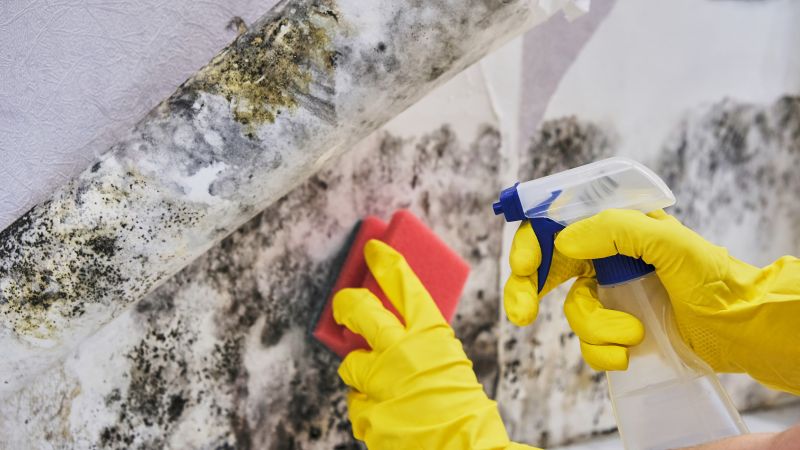
Effective cleaning methods eliminate mold from affected areas to restore a safe living environment.
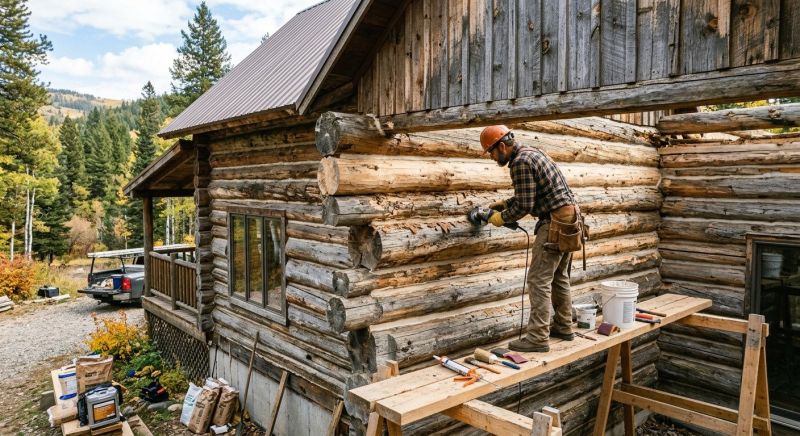
Post-Remediation Restoration
Restoring your property after mold removal ensures surfaces and structures are safe and sound.
Mold Restoration in Bergen County, NJ
Mold restoration services focus on removing mold growth from residential properties and restoring affected areas to a clean and safe condition. These projects typically involve identifying the source of moisture that contributed to mold development, removing visible mold from surfaces such as walls, ceilings, and flooring, and treating the underlying materials to prevent future growth. Property owners often seek mold restoration after noticing musty odors, visible mold patches, or experiencing health issues related to mold exposure, especially in areas prone to humidity or water intrusion.
Before requesting mold restoration, homeowners should understand the extent of mold growth, the types of materials impacted, and potential underlying moisture problems. It is important to assess whether the mold is confined to specific surfaces or has penetrated deeper into building materials. Proper identification and remediation are essential to ensure that mold does not return and that indoor air quality is improved. Property owners are encouraged to inquire about the scope of work, the methods used for mold removal, and any necessary repairs to prevent future mold issues.
Many property owners in Bergen County, NJ look into Mold Restoration for repairs, replacements, upgrades, and appearance-related improvements.
Common Mold Restoration Jobs
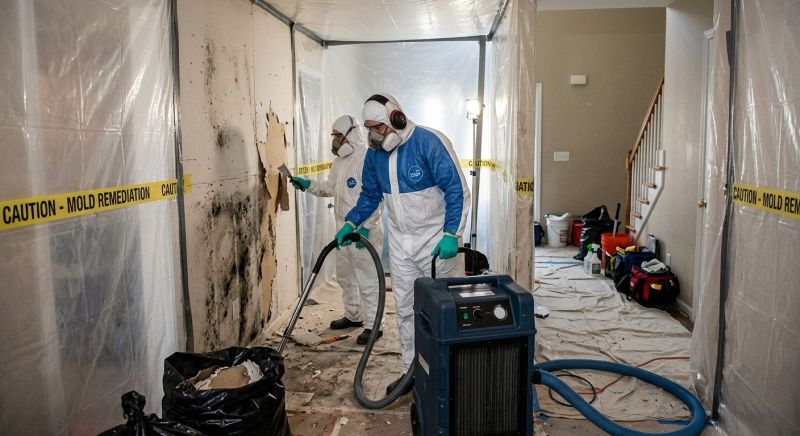
Mold removal - specialized techniques to eliminate mold growth from affected areas.
Moisture control - addressing underlying leaks and humidity issues to prevent mold recurrence.
Surface cleaning - thorough cleaning and disinfection of mold-affected surfaces.
Structural drying - drying out walls, ceilings, and floors to inhibit mold growth.
Air purification - removing mold spores from indoor air to improve indoor air quality.
Inspection and assessment - identifying mold sources and evaluating the extent of contamination.
Mold Restoration Questions
What causes mold to develop indoors? Mold grows in areas with excess moisture and poor ventilation, often due to leaks, humidity, or water damage.
How can mold affect a property? Mold can cause property damage, unpleasant odors, and health issues for occupants, especially those with allergies or respiratory conditions.
What are common signs of mold presence? Visible discoloration, musty odors, and water stains are typical indicators of mold growth inside a building.
What types of projects typically require mold restoration? Mold restoration is often needed after water leaks, flooding, or persistent moisture problems in residential or commercial properties.
Request Mold Restoration in Bergen County, NJ
Use the quote form on this page to share the basics of your project and request more information for the type of work you need.